Introduction
Are you fascinated with the large expanse of your evening sky? Does one yearn to explore the wonders of the universe and witness celestial objects up near? If that is so, you are in for an extraordinary journey! In this article, We're going to delve into your magical environment of stargazing and unravel the secrets of unlocking the http://archerugoh808.trexgame.net/the-last-word-tutorial-to-astrophotography-capturing-the-cosmos-via-your-telescope beauty of celestial objects. And guess what? You do not want a elaborate telescope to embark on this adventure. All you require are a pair of trusty binoculars along with a enthusiasm for exploration. So, let's start out!
The Electrical power of Binoculars: A Gateway on the Stars
When it comes to observing celestial objects, A lot of people instantly think of telescopes. While telescopes unquestionably offer you amazing magnification capabilities, they can be intricate to work and pretty expensive. This is when binoculars are available as a great different for beginner astronomers.
Why Pick Binoculars?
Cost-Productive: Binoculars are usually extra cost-effective than telescopes, generating them available to your broader array of enthusiasts.
Portability: Unlike telescopes, which can be bulky and have to have in depth setup, binoculars are lightweight and compact, making it possible for for simple transportation and quick observation sessions.
Versatility: Binoculars not simply supply spectacular views of celestial objects but can also be useful for a variety of other pursuits which include birdwatching or sporting events.
Comfortable Viewing: With two eyepieces in lieu of a single, binoculars give you a additional pure viewing knowledge, minimizing eye pressure for the duration of extended stargazing sessions.
Choosing the Right Binoculars
Now that we realize why binoculars are a great option for beginner astronomers, let us check out how to choose the proper pair for the stargazing adventures.
Factors to Consider
Aperture: The aperture sizing determines The sunshine-collecting abilities of binoculars. Look for larger sized apertures (e.g., 50mm) to ensure brighter and much more detailed views of celestial objects.
Magnification: Although bigger magnification might seem attractive, it may lead to a narrower industry of check out and greater shakiness. Select moderate magnification (e.g., 7x or 10x) for stable and comfortable viewing.
Exit Pupil: The exit pupil would be the diameter of your beam of sunshine that enters your eye. A larger exit pupil assures brighter photographs, especially in low-gentle conditions. Divide the aperture size through the magnification to ascertain the exit pupil.
Field of Check out: A wider area of watch allows you to notice more substantial portions on the night sky without delay. Look for binoculars with a wide discipline of look at for immersive stargazing ordeals.
Durability and Climate Resistance: Take into consideration binoculars which have been designed to face up to numerous weather conditions, making certain longevity and trustworthiness.
Exploring the Night Sky with Binoculars
Now you have your trusty set of binoculars, it is time to embark on a unprecedented journey with the cosmos. Let's check out some common celestial objects you can observe with your binoculars.
The Moon: Our Celestial Companion
The moon, Earth's devoted companion, provides breathtaking sights Despite a simple pair of binoculars. Its craters, mountains, and maria arrive at lifestyle as you witness its rugged surface area up near.
Tip: To improve your lunar observation experience, consider using a tripod or stabilizing your elbows on the solid surface area to minimize shakiness.
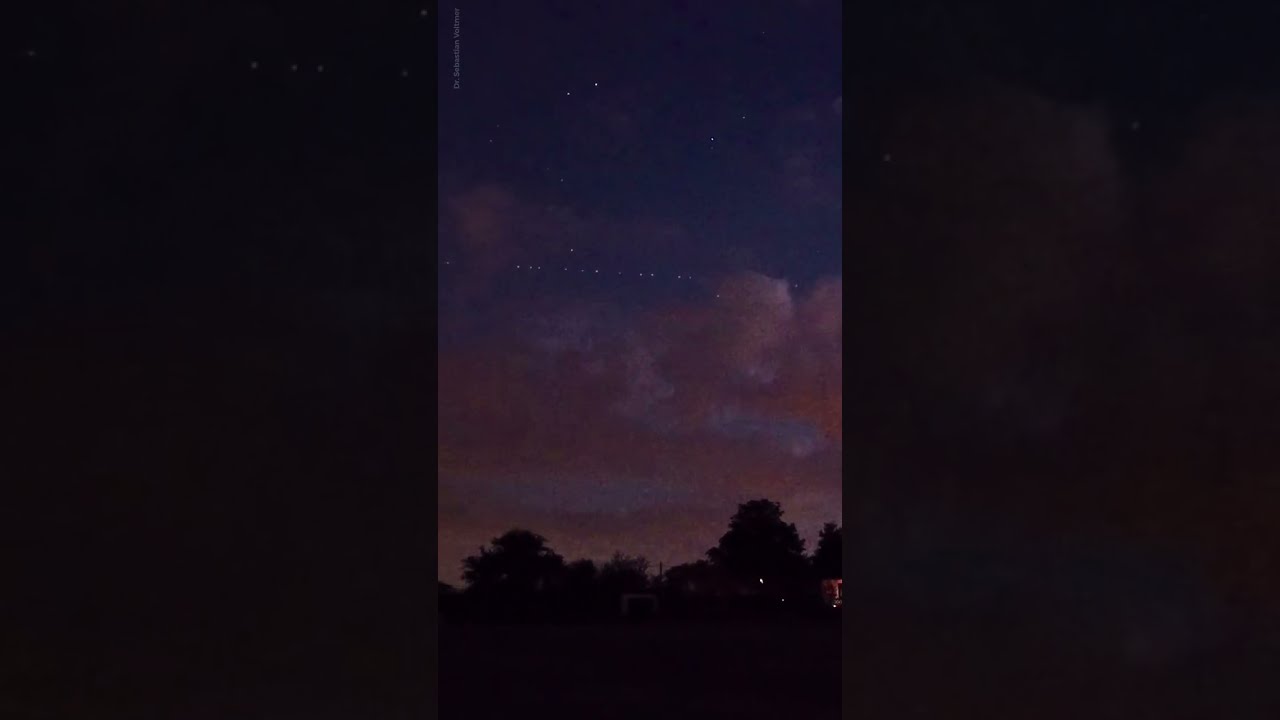
Planets: Windows into Distant Worlds
While observing planets intimately often requires telescopes, some planets can however be appreciated with binoculars.
Jupiter: King in the Planets
Jupiter, with its unique bands of clouds and four Galilean moons, is actually a fascinating sight via binoculars. Seek out its dazzling disk and tiny specks of light symbolizing its moons.
Fun Truth: Did you know that Jupiter is the biggest World within our photo voltaic procedure, somewhere around eleven moments broader than Earth?
Venus: The Night Star
Often called the "Night Star" or the "Morning Star," Venus shines brightly in the night sky. With binoculars, you are able to notice its phases, comparable to our moon.
Did You understand? Venus is typically called Earth's sister planet resulting from its similar measurement and composition.
Deep-Sky Objects: Unveiling Galactic Wonders
Beyond our solar procedure lies a treasure trove of celestial wonders known as deep-sky objects. Although some may perhaps call for telescopes for comprehensive observation, lots of remain visible and awe-inspiring via binoculars.
The Orion Nebula: A Stellar Nursery
Located during the Orion constellation, the Orion Nebula is usually a amazing sight Despite having binoculars. This stellar nursery gives start to new stars and showcases vibrant gas clouds illuminated by youthful stars.
Interesting Point: The Orion Nebula has become the closest stellar nurseries to Earth, which makes it a favorite focus on for beginner astronomers.
The Pleiades: Seven Sisters
The Pleiades, often known as the 7 Sisters, is often a striking open star cluster obvious on the bare eye. With binoculars, you could admire its fragile blue stars surrounded by ethereal nebulosity.
Did You realize? In Greek mythology, the Pleiades have been 7 sisters who were being transformed into stars by Zeus to safeguard them from Orion's pursuit.
Frequently Asked Questions on Binoculars for Stargazing
Can I use any kind of binoculars for stargazing? Although any binoculars can be utilized for stargazing to some extent, People particularly made for astronomical observation will present superior graphic high quality and general performance.
Do I want a tripod for binoculars? Although not vital, utilizing a tripod or stabilizing your elbows on a stable area can significantly enhance your stargazing working experience by minimizing shakiness.
Can I notice galaxies and nebulae with binoculars? Although some galaxies and nebulae may possibly seem as faint smudges with binoculars, they typically demand telescopes for specific observation.
What is the best time to watch celestial objects with binoculars? The most effective time to look at celestial objects is throughout darkish, moonless evenings when gentle pollution is minimum. Test nearby astronomical charts or apps for optimum viewing instances.
Can I use my binoculars during the day? Definitely! Binoculars are multipurpose instruments which can be employed for numerous actions, together with birdwatching, sporting functions, and perhaps observing distant landscapes throughout the day.
How do I thoroughly thoroughly clean and retain my binoculars? To be certain optimum functionality and longevity, clean your binoculars by using a gentle microfiber cloth and avoid utilizing harsh chemical compounds. Retail store them within a protective scenario when not in use.
Conclusion
Embarking over a journey with the cosmos with amateur binoculars is really an awe-inspiring working experience that unlocks the beauty of celestial objects like hardly ever in advance of. From witnessing the rugged terrain with the moon to observing distant galaxies, Every minute spent Checking out the evening sky leaves us in awe from the vastness and magnificence of our universe. So grab your binoculars, head outdoors on a transparent night time, and Enable the wonders from the cosmos unfold right before your eyes. Content stargazing!
Note: This post aims to supply introductory information about working with binoculars for stargazing. For a far more in-depth knowledge and Sophisticated strategies, take into account consulting specialised sources or joining area astronomy clubs.